What Is an Undercut in Formula 1? F1 Strategy Explained
Follow F1 Strategy UpdatesFollow updates
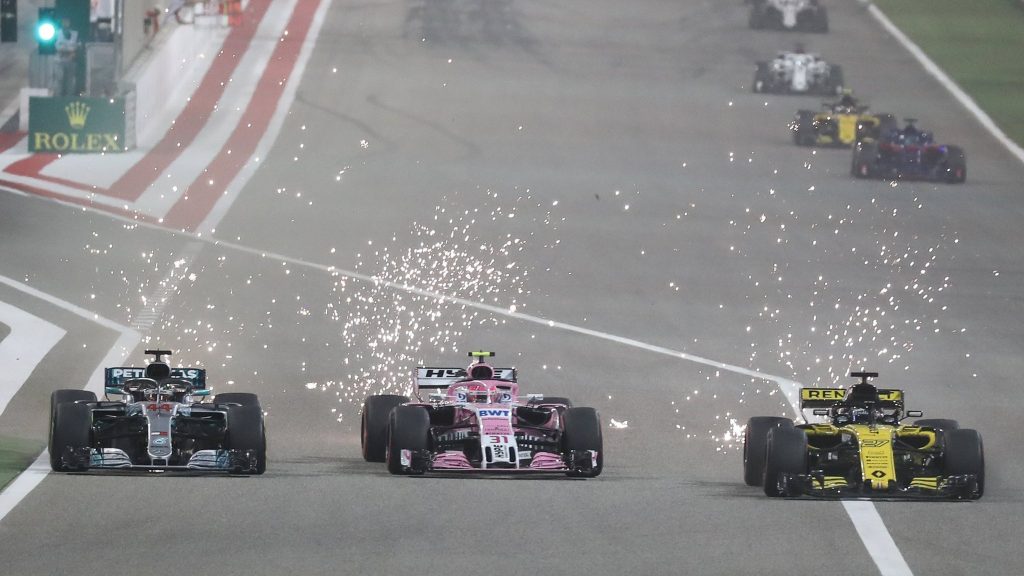
The undercut in Formula 1 is one of the most important race strategy tools teams have.
It can turn a quiet race into a tactical fight. It can move a driver ahead without an on-track overtake. And sometimes, it can decide who wins.
At its simplest, the undercut is when a driver pits before a rival, uses fresher tyres to go faster, and tries to jump ahead once the rival makes their own pit stop.
What is an undercut in Formula 1?
An undercut happens when a driver pits earlier than the car they are racing.
The idea is simple: stop first, fit fresh tyres, push hard on the out-lap, and gain enough time to come out ahead when the rival pits later.
Formula 1’s own strategy explanation describes the undercut as passing a rival by pitting before them and being faster on the new-tyre out-lap than the rival is on their old-tyre in-lap.
That is why the laps immediately before and after a pit stop are so important.
A driver does not need to overtake on track. The overtake happens through timing.
Why does the undercut work?
The undercut works because fresh tyres usually provide more grip.
In Formula 1, old tyres lose performance as they wear, overheat, or degrade. When a driver pits for fresh tyres, they can often lap much faster than a rival still running on older rubber.
That pace difference can create a time swing.
If the driver who pitted first gains enough time, they can jump the rival when the second driver finally stops.
This is why commentators often say a driver is “vulnerable to the undercut”. It means the car behind is close enough to pit first and potentially get ahead through strategy.
What makes an undercut powerful?
An undercut is strongest when three things happen at the same time.
- First, the new tyre has a big grip advantage.
- Second, the driver who pits has clear track ahead.
- Third, the rival staying out is losing pace on old tyres.
If all three line up, the undercut can be brutal.
A driver might be stuck behind another car for 20 laps, unable to pass because of dirty air or straight-line speed. But one well-timed pit stop can suddenly flip the order.
When does the undercut fail?
The undercut does not always work.
It can fail if the driver pits into traffic. Fresh tyres are useful, but not if the driver is trapped behind slower cars.
It can also fail if the new tyres take too long to warm up. If the out-lap is slow, the driver may not gain enough time.
The undercut can also be risky if the team pits too early. The driver may gain position at first, but then have older tyres at the end of the race.
That is the trade-off.
The undercut can win track position now, but it may create tyre problems later.
Why teams defend against the undercut
When a team sees a rival getting close enough to attack with an undercut, they have two main choices.
They can pit first to defend the position, or they can stay out and hope their driver has enough pace to survive.
This is why pit stops sometimes happen earlier than expected. A team may not want to pit yet, but if the car behind is a threat, they have to react.
That is also why strategy is not just about tyres. It is about the gaps between cars, pit lane time loss, traffic, track position, and how fast each compound warms up.
Why fans should watch for it
The undercut is one of the easiest strategy battles to follow during a race.
If a driver is within a few seconds of the car ahead and the tyre gap is starting to matter, watch the pit window.
If the chasing driver pits first, the next two laps are critical.
- Look at the out-lap.
- Look at the rival’s in-lap.
- Look at the gap when the second car exits the pit lane.
That is where the race can change.
The undercut is not just a strategy term. It is one of F1’s cleanest examples of a team beating a rival with timing instead of raw overtaking.
About The Author

Covering Formula 1 news, race analysis, driver stories and the bigger talking points around the sport.
Latest F1 News