Aston Martin F1 Team
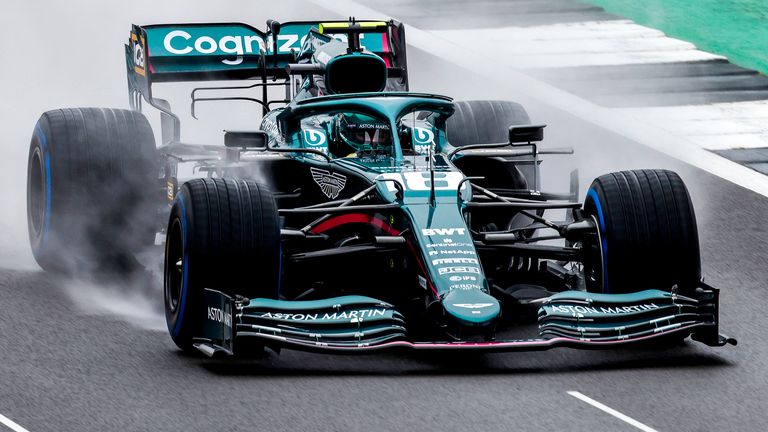
TEAM OVERVIEW
Aston Martin Aramco Formula One Team represents one of the most prestigious names in global motorsport. Synonymous with British engineering, elegance, and performance, Aston Martin’s Formula 1 story is one of early success, long absence, and ambitious modern rebirth.
Aston Martin blends heritage with forward-looking intent. Its modern Formula 1 project is built not on nostalgia, but on long-term commitment, infrastructure investment, and a clear ambition to compete at the very front of the sport.
THE ORIGINS OF ASTON MARTIN IN GRAND PRIX RACING
Aston Martin’s motorsport roots stretch back to the earliest days of Grand Prix racing. The marque competed in Formula 1 during the early 1950s, achieving notable success in non-championship events and establishing a reputation for elegant, technically refined racing cars.
However, Aston Martin’s focus soon shifted away from Formula 1 toward endurance racing and road car development. This early withdrawal meant that, unlike Ferrari or McLaren, Aston Martin’s name became legendary without maintaining a continuous presence on the F1 grid.
For decades, Aston Martin remained a symbol of what could have been in Formula 1.
THE MODERN RETURN TO FORMULA 1
Aston Martin’s return to Formula 1 came through a modern, strategic vision rather than nostalgia. After years of branding partnerships and technical collaborations, the Aston Martin name returned as a full works team — inheriting the foundations of an existing F1 operation while dramatically expanding its ambition.
This modern Aston Martin project was designed around long-term competitiveness rather than short-term results. The team committed to:
- State-of-the-art facilities
- Significant technical recruitment
- Long-term regulatory alignment
- A stable, growth-focused structure
The goal was clear: establish Aston Martin as a permanent front-running force.
ASTON MARTIN’S RISE AND TRANSFORMATION
The early seasons of Aston Martin’s modern era focused on transformation rather than trophies. Investment flowed into infrastructure, most notably the construction of a cutting-edge factory and campus designed to rival the sport’s elite teams.
Aston Martin became known for its rapid development curve and willingness to challenge established competitors. Performance gains were achieved through steady improvement, technical refinement, and a growing belief in the project’s long-term vision.
THE GOLDEN ERA YET TO COME
Unlike Ferrari or Red Bull, Aston Martin’s defining golden era is still being written. Rather than looking back at historic dominance, the team’s story centres on potential.
The modern Aston Martin project is built with the expectation that sustained investment, stable leadership, and technical growth will culminate in championship contention.
In this sense, Aston Martin represents Formula 1’s future more than its past.
CHAMPIONSHIPS & ACHIEVEMENTS
While Aston Martin’s modern F1 chapter is still developing, its motorsport heritage remains significant:
- Constructors’ Championships: None
- Drivers’ Championships: None
- Race Wins: None
- Podiums: 12
- Pole Positions: None
Success for Aston Martin is measured less by legacy statistics and more by the scale of its ambition.
LEGENDARY ASTON MARTIN DRIVERS
Across its Formula 1 journey, Aston Martin has been associated with drivers who brought credibility, experience, and leadership:
- Sebastian Vettel – Four-time world champion who helped shape the team’s modern identity
- Fernando Alonso – One of Formula 1’s greatest competitors and a key figure in Aston Martin’s competitive rise
These drivers brought championship-level insight to a growing team.
TECHNICAL PHILOSOPHY
Aston Martin’s technical philosophy blends modern Formula 1 science with traditional engineering principles. The team prioritises:
- Aerodynamic efficiency
- Data-driven development
- High-quality simulation tools
- Long-term platform stability
Rather than chasing radical innovation, Aston Martin focuses on building a strong technical foundation capable of consistent improvement.
PERIODS OF TRANSITION AND ADAPTATION
Aston Martin’s modern Formula 1 story has been defined by rapid change. Transitioning from a midfield operation into a fully-fledged works team required cultural, technical, and organisational adaptation.
Rather than resist change, Aston Martin embraced it — reshaping leadership structures, expanding technical departments, and modernising every aspect of its operation.
This willingness to evolve has been central to the team’s progress.
TEAM CULTURE AND IDENTITY
Aston Martin’s culture is built around:
- Long-term ambition
- Engineering excellence
- Measured decision-making
- Belief in infrastructure-led success
The team values patience and progress over short-term spectacle, positioning itself as a serious long-term contender.
About The Author

Covering Formula 1 news, race analysis, driver stories and the bigger talking points around the sport.
Latest F1 News