Red Bull Restructure Technical Department After Key Departures
Follow Red Bull Racing UpdatesFollow updates
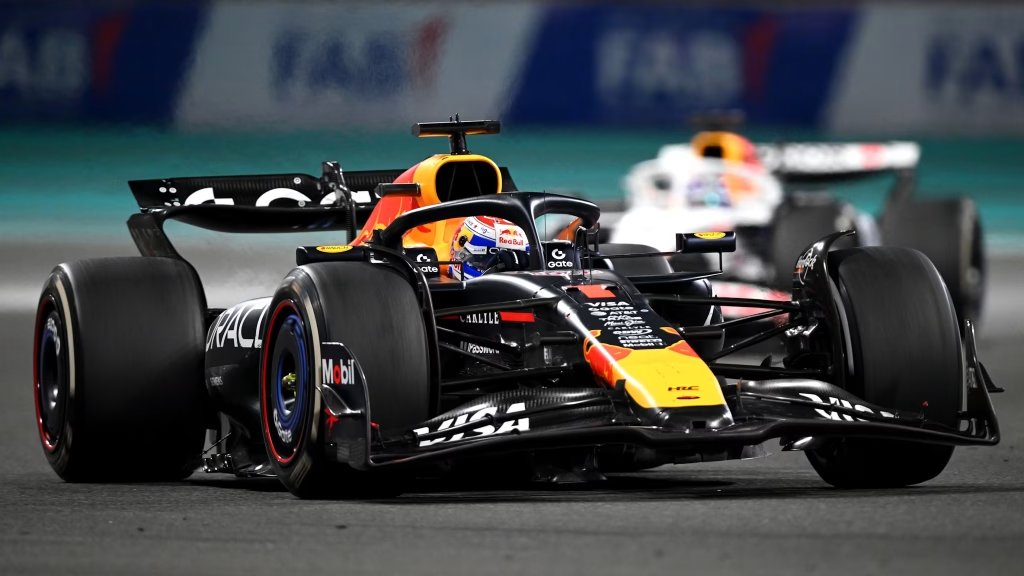
Red Bull have announced a series of organisational changes within their technical department as the team continues to reshape its structure for the future.
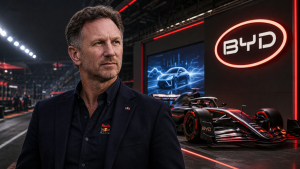
The move comes after several high-profile departures from the team in recent years, including long-time Team Principal Christian Horner, Motorsport Advisor Helmut Marko, Sporting Director Jonathan Wheatley, Chief Engineering Officer Rob Marshall, Head of Race Strategy Will Courtenay, and Chief Designer Craig Skinner.
Most recently, Red Bull also confirmed that Max Verstappen’s long-time race engineer Gianpiero Lambiase will leave the team for McLaren when his current contract expires at the end of 2028.
Against that backdrop, Red Bull’s latest technical changes appear to be part of a wider effort to strengthen internal leadership and maintain performance during a major period of transition.
Ben Waterhouse Takes on Expanded Role
With immediate effect, Ben Waterhouse will take on an expanded leadership position as Chief Performance and Design Engineer.
In this new role, Waterhouse will have overarching responsibility across both Design and Vehicle Performance, reporting directly to Technical Director Pierre Wache.
Waterhouse is not a new figure within the Red Bull organisation. He joined the Red Bull family from BMW Sauber in 2014, initially serving as Deputy Technical Director at Scuderia Toro Rosso.
Since 2017, he has worked as Head of Performance Engineering at Red Bull Racing, giving him extensive knowledge of the team’s systems, culture, and technical approach.
His promotion now places him in a more central position as Red Bull look to better connect key performance areas within the team.
Strengthening the Link Between Design and Performance
Red Bull say the restructure is designed to improve integration between Design and Vehicle Performance.
That could be an important step for the team, especially in the current era of Formula 1 where performance gains are often found through how well different departments work together.
Modern F1 cars are extremely complex, and development is no longer only about one big aerodynamic upgrade or one strong engine package.
The best teams are the ones that can connect simulation, design, vehicle dynamics, aero development, tyre performance, and race feedback into one clear direction.
By giving Waterhouse a broader leadership role, Red Bull appear to be aiming for faster decision-making and more joined-up development across the car.
Andrea Landi to Join as Head of Performance
Red Bull have also confirmed that Andrea Landi will join the team from July 1 as Head of Performance.
Landi will report to Waterhouse in the new structure.
He brings experience from both Ferrari and Racing Bulls, having previously worked as Deputy Head of Vehicle Performance at Ferrari and Deputy Technical Director at Racing Bulls.
His arrival adds another experienced figure to Red Bull’s technical group at a time when the team is trying to balance internal development with fresh expertise from outside the organisation.
A Team in Transition
Red Bull’s latest restructure comes during one of the most significant transition periods in the team’s recent history.
For years, Red Bull were known for their strong leadership group and technical stability. But with multiple senior figures leaving, the team has had to evolve quickly.
That does not mean Red Bull are suddenly weak, but it does mean the team’s depth is being tested.
Formula 1 is a sport where continuity matters, especially during regulation changes and intense development cycles. Losing senior experience can create uncertainty, but it can also open the door for new ideas and internal talent to step forward.
Red Bull’s decision to expand Waterhouse’s role suggests they are backing people who already understand the organisation from the inside.
Why This Matters for Red Bull’s Future
The timing of these changes is important.
Red Bull are competing in a new era of Formula 1 regulations and are also managing their own power unit project in partnership with Ford.
That combination places huge pressure on the technical side of the team.
To remain competitive, Red Bull need strong integration between chassis development, vehicle performance, design, race operations, and power unit understanding.
The restructure appears aimed at making sure those areas work together more effectively.
It is also a signal that Red Bull are planning beyond the immediate season. With Lambiase set to depart in 2028 and other senior figures already gone, the team need to create a structure that can remain strong even as familiar names move on.
Final Thoughts
Red Bull’s technical restructure is another major development in a period of significant change for the team.
Ben Waterhouse’s expanded role as Chief Performance and Design Engineer gives Red Bull a clearer leadership link between two crucial areas of car development, while Andrea Landi’s upcoming arrival adds further experience to the performance side.
After years of dominance and stability, Red Bull are now entering a new chapter.
The big question is whether this reshaped structure can keep the team at the front of Formula 1 as the competition around them continues to grow stronger.

About The Author

Covering Formula 1 news, race analysis, driver stories and the bigger talking points around the sport.
Latest F1 News