How The Two-Stop Rule Will Work at Monaco
Follow Monaco Grand Prix UpdatesFollow updates
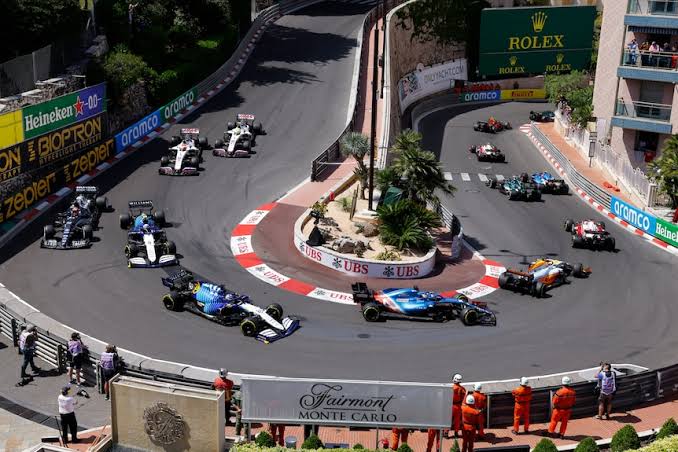
This year’s Monaco Grand Prix will , requiring drivers to perform at least two pit stops during the race, significantly altering traditional race strategies.
What’s Changing at Monaco?
Typically, during a dry Formula 1 race, drivers must use at least two different slick tyre compounds, easily achievable with a single pit stop. However, this year’s Monaco Grand Prix will mandate two stops for every driver, significantly increasing the strategic complexity.
The updated regulations state clearly: “For the race in Monaco, if the race is suspended and cannot be restarted, 30 seconds will be added to the elapsed time of any driver who did not, when required, use at least two specifications of dry-weather tyres or who failed to use at least three sets of tyres of any specification during the race. An additional penalty of 30 seconds will apply to any driver using only one set of tyres throughout.”
What Do the Drivers Think?
Drivers have largely welcomed this change, anticipating that it will bring additional excitement and unpredictability to the prestigious event.
Four-time reigning World Champion Max Verstappen expressed optimism about the new rules adding extra “spice” to the Monaco GP.
“It can be quite straightforward or completely crazy, depending on safety cars and strategy calls,” Verstappen said. “Usually, once the pit stop is done, you just need to stay focused and avoid barriers. But this could create opportunities for different strategies, which I hope will spice things up.”
Alpine driver Pierre Gasly echoed Verstappen’s sentiments, seeing the potential for more dynamic racing.
“I see opportunities and some unknowns, which we should embrace rather than fear,” Gasly remarked. “Qualifying remains crucial, but the two-stop rule could definitely open up strategic possibilities.”
Strategic Implications
The two-stop rule introduces new variables teams must manage, potentially leading to diverse strategies and more overtaking opportunities, especially in a typically difficult-to-pass circuit like Monaco. Teams will need to precisely time their pit stops and swiftly adapt to changing track conditions or safety car periods.
Fans and drivers alike are eager to see how these new regulations will unfold during the race, setting the stage for an exciting and unpredictable Monaco Grand Prix.

About The Author

Covering Formula 1 news, race analysis, driver stories and the bigger talking points around the sport.
Latest F1 News