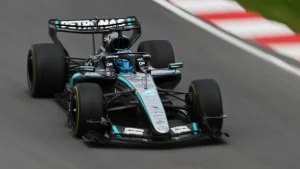
Mastering the Art of Overtaking in Formula 1: DRS, Defensive Driving, and Regulations
Follow F1 Explained UpdatesFollow updates
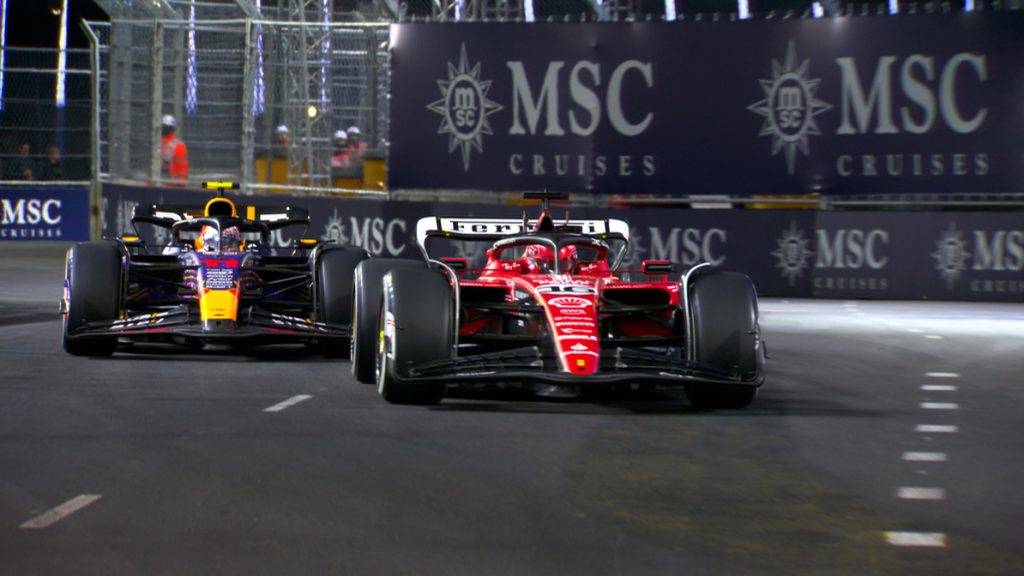
Overtaking in Formula 1 is one of the most thrilling aspects of the sport, often determining the outcome of races and championships. With high-speed battles, daring maneuvers, and split-second decisions, drivers must adhere to strict FIA regulations while trying to gain a competitive edge. In this article, we’ll break down the key overtaking rules in F1, including the Drag Reduction System (DRS), defensive driving techniques, and what’s considered legal or illegal overtaking.
DRS: Formula 1’s Overtaking Aid
The Drag Reduction System (DRS) was introduced in 2011 to increase overtaking opportunities by reducing aerodynamic drag on the rear wing, giving cars a speed advantage in designated zones.
How DRS Works:
- DRS can only be activated in specific DRS zones, marked on the track.
- To use DRS, the driver must be within one second of the car ahead when crossing the DRS detection point.
- The system reduces rear wing downforce, allowing higher straight-line speeds, making overtaking easier.
- DRS is disabled in wet conditions for safety reasons.
While DRS has made overtaking easier, it has also sparked debates about whether it makes passes too artificial, reducing the skill involved in traditional overtakes.
Defensive Driving: Holding Position Legally
Defensive driving is just as crucial as attacking in F1. The FIA has set clear rules to prevent dangerous blocking or erratic moves while allowing fair racing.
Legal Defensive Tactics:
- One Move Rule: A driver can make one defensive move to block an overtake but must not change direction again under braking.
- Leaving Space: If a car is alongside, the defending driver must leave at least one car width of space to avoid forcing the opponent off the track.
- Late Braking Defenses: Drivers can brake later to defend into a corner but cannot force another driver off track in doing so.
Illegal Defending & Blocking:
- Weaving: Repeatedly changing direction to break the slipstream is not allowed.
- Brake Testing: Slowing down unexpectedly to disrupt the car behind is a serious offense.
- Crowding Off-Track: Forcing another car off the circuit under braking or at corner exits can lead to penalties.
Some of the most famous battles in F1 history, such as Fernando Alonso vs. Lewis Hamilton in Hungary 2021, showcase how elite drivers execute brilliant defensive drives while staying within the rules.
What Makes an Overtake Legal?
For an overtake to be considered legal, drivers must follow specific FIA guidelines:
- Car Overlap Rule: The overtaking car must have significant overlap (usually front wheels alongside the defending car’s rear wheels) before the corner’s braking zone to claim the racing line.
- Staying on Track: A driver must complete the pass without leaving the track unless forced off unfairly.
- No Contact: Overtakes should be executed cleanly, avoiding collisions unless deemed a racing incident.
Illegal Overtaking Scenarios
- Gaining an Advantage Off-Track: If a driver overtakes by going beyond track limits, they must give the position back or risk a penalty.
- Ignoring Blue Flags: Backmarkers being lapped must move aside when shown blue flags; failure to do so results in penalties.
- Unsafe Pit Exit Overtakes: Overtaking is not allowed when crossing the white line upon exiting the pit lane.
Famous Overtakes and Controversies
Over the years, F1 has seen legendary overtakes and controversial moments:
- Max Verstappen vs. Charles Leclerc – Austria 2019: A late-braking move by Verstappen forced Leclerc off track, sparking debate but was deemed legal by stewards.
- Lewis Hamilton vs. Nico Rosberg – Austria 2016: A failed defensive move from Rosberg led to contact, costing him a podium.
- Ayrton Senna vs. Alain Prost – Japan 1989: A controversial chicane clash led to Prost’s title win, highlighting the fine line between aggressive and illegal moves.
Conclusion
Overtaking in Formula 1 is a delicate balance of skill, strategy, and regulation. While DRS has made passing easier, defensive driving remains a crucial element of racecraft. The FIA’s rules ensure overtakes are safe and fair while allowing drivers to push their limits. As F1 evolves, so too will the rules governing wheel-to-wheel battles, ensuring the sport remains as exciting as ever.
To learn more about Formula 1, visit our F1 Explained page.
About The Author

Covering Formula 1 news, race analysis, driver stories and the bigger talking points around the sport.
Latest F1 News