What Is Parc Fermé in F1? The Rule That Locks In A Race Weekend
Follow F1 Rules UpdatesFollow updates
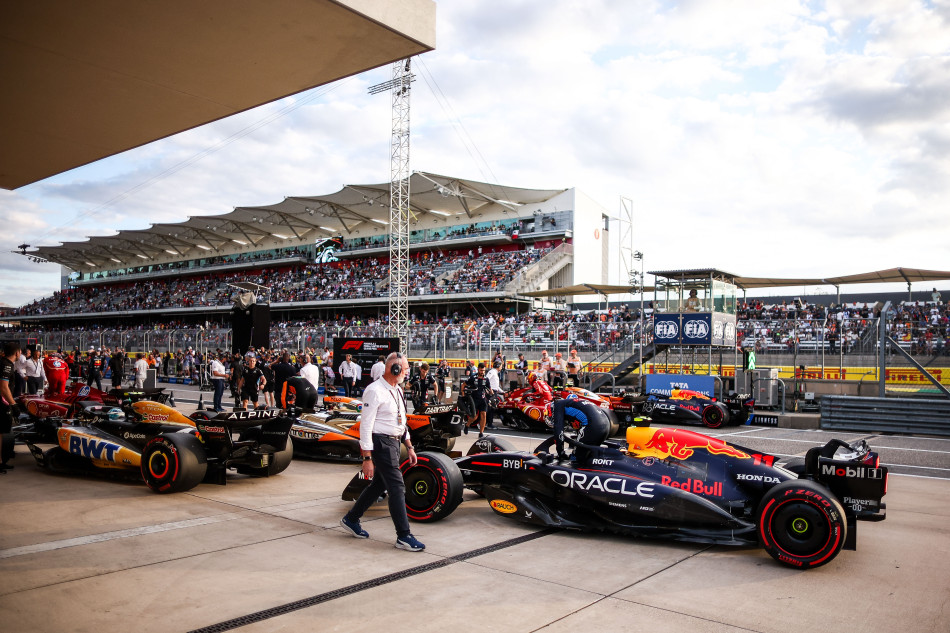
Parc fermé in F1 is one of those phrases fans hear almost every race weekend, usually when a team has made a mistake, a driver is starting from the pit lane, or a car suddenly cannot be changed after qualifying.
It sounds complicated, but the idea is fairly simple: once certain sessions begin, teams are heavily restricted in what they can do to the car.
That means a setup choice made before qualifying can follow a driver all the way into the race.
What does parc fermé mean in F1?
Parc fermé literally means “closed park” in French, but in Formula 1 it refers to the controlled conditions around the cars during parts of a Grand Prix weekend.
The FIA defines parc fermé as a secure area where F1 cars must be kept after qualifying and during certain other periods, with teams prevented from working on the cars except for adjustments allowed by the FIA. The sporting rules also make it clear that when parc fermé is in use, only authorised officials may enter and no intervention is allowed unless permitted.
In simple terms, once the cars are under parc fermé conditions, teams cannot freely change the setup.
They cannot simply decide after qualifying that the wing level was wrong, the suspension setup was too aggressive, or the car needs to be completely reworked for the race.
Why does parc fermé exist?
Parc fermé exists to keep the weekend fair.
Without it, teams could run an extreme qualifying setup on Saturday, then rebuild the car into a more race-friendly version for Sunday. That would reduce the importance of compromise.
Formula 1 is not only about outright speed. Teams have to choose a setup that works across qualifying, race pace, tyre management, fuel load, weather changes, and overtaking demands.
Parc fermé forces teams to live with those choices.
That is why a car that looks brilliant over one lap can sometimes struggle in the race. The team may have prioritised qualifying performance, only to find that the same setup hurts tyre life or straight-line speed over a full Grand Prix distance.
What can teams change under parc fermé?
Teams are still allowed to carry out certain checks and limited work, but only within the rules.
They can do things like safety checks, approved repairs, and specific FIA-permitted adjustments. What they cannot do is freely change the car’s setup to create a different competitive package.
That is why you often hear about teams being careful with overnight work after qualifying. If something is changed outside the permitted scope, the team may have to accept a penalty or start from the pit lane.
Why parc fermé matters for qualifying
Parc fermé makes qualifying much more important than just deciding who starts where.
When a team sends a driver into qualifying, they are also committing to a race setup direction. If they get it wrong, there is very little room to fix it.
A low-downforce setup might help on the straights but make the car difficult through corners. A higher-downforce setup might protect the tyres but leave the driver vulnerable in a straight-line fight.
Once parc fermé applies, those compromises become part of the race story.
How parc fermé can change a race
Parc fermé can hurt teams in a few ways.
If a driver qualifies poorly because the setup is wrong, the team may decide it is better to break parc fermé and start from the pit lane with a better race setup.
If a car is damaged, the team has to be careful about what parts are changed and whether the work is allowed.
If conditions change dramatically from qualifying to race day, teams may be stuck with a setup that no longer looks ideal.
That is why parc fermé is one of the hidden pressure points of a Formula 1 weekend. Fans may focus on the lap times, but the setup decisions behind those lap times can decide the race before the lights even go out.
Why fans should care
Parc fermé explains a lot of the strange things that happen in F1.
- It explains why teams cannot always “just fix” a bad car overnight.
- It explains why a driver might start from the pit lane.
- It explains why qualifying setup compromises matter.
- It also explains why some teams look better on Saturday than Sunday.
So the next time a driver says the car was “locked in” after qualifying, parc fermé is probably part of the reason.
Formula 1 rewards speed, but it also punishes bad timing. Parc fermé is one of the rules that makes every setup choice count.
About The Author

Covering Formula 1 news, race analysis, driver stories and the bigger talking points around the sport.
Latest F1 News