Why Formula 1’s Five-Week Break Could Shape the 2026 Championship
Follow 2026 Season UpdatesFollow updates
Three races into a brand-new season and a completely new era of regulations, the 2026 Formula 1 campaign has hit an unexpected pause.
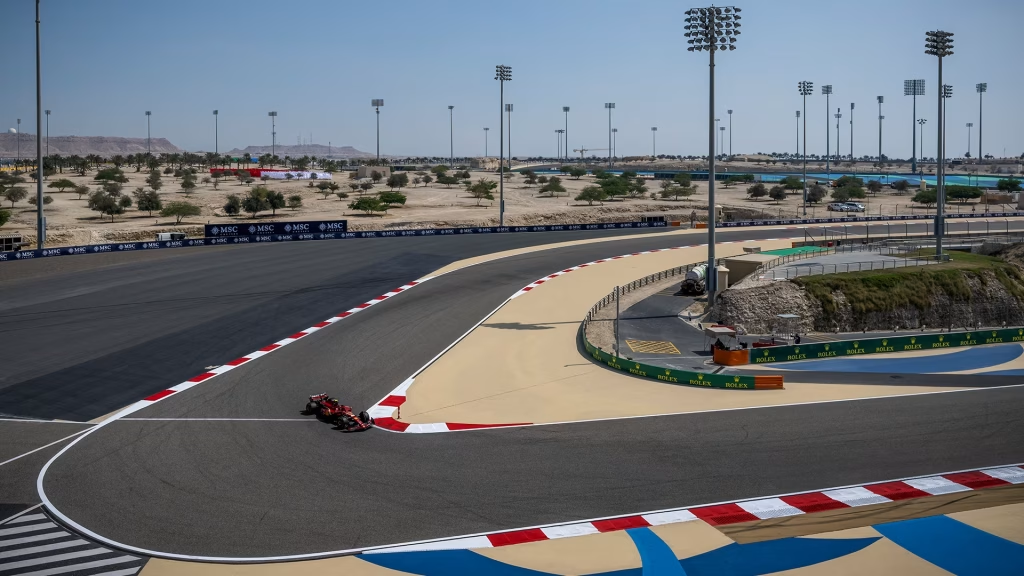
Following the cancellation of the Bahrain and Saudi Arabian Grands Prix due to the ongoing conflict in the Middle East, the sport now faces a rare five-week gap between races — a scenario almost unheard of in modern Formula 1.
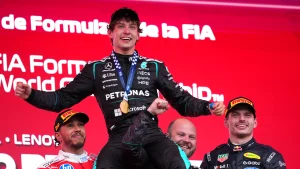
After the Japanese Grand Prix, won by rookie sensation Andrea Kimi Antonelli, teams and drivers now turn their focus to Miami — but not until early May.
A Break Formula 1 Didn’t Plan For
The decision to cancel the races was driven by safety concerns, with the situation in the region deemed too unstable.
However, what followed was just as significant.
With the Bahrain Grand Prix originally scheduled for April 12 and Saudi Arabia for April 19, the calendar now features a 35-day gap — something that simply couldn’t be filled.
Formula 1’s global logistics operation makes last-minute replacements nearly impossible. Every race requires months of planning, freight movement, and coordination. Finding a venue ready to host at short notice — while also selling tickets and preparing infrastructure — was not realistic.
Rescheduling the races later in the season also presented major challenges. The calendar is already tightly packed, and shifting events would have created a ripple effect across the entire championship.
In the end, cancellation was the only viable option.
Why This Break Could Be a Game-Changer
While the pause may frustrate fans, it could have a significant impact on the championship.
With brand-new regulations introduced in 2026, teams are still learning and developing their cars. The five-week gap now gives them a rare opportunity to analyse data, refine setups, and bring upgrades before the next race.
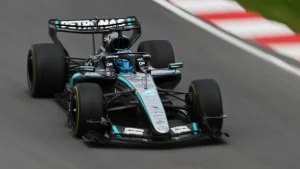
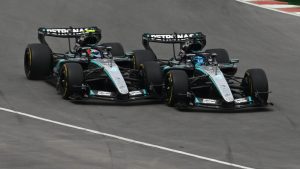
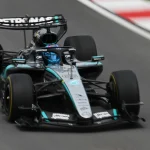
For leading teams like Mercedes, this could help extend their advantage.
For challengers such as Ferrari and Aston Martin, it presents a crucial window to close the gap.
And for midfield teams, it may be the difference between fighting for points — or slipping further behind.
A Different Kind of Season
The absence of two races also changes the championship dynamic.
Fewer races mean fewer opportunities to score points, which could tighten the standings and increase the value of every result.
Consistency becomes even more important, and mistakes carry greater consequences.
What Comes Next
The next race on the calendar is the Miami Grand Prix, set to take place in early May around the Hard Rock Stadium.
Further races in the Middle East — including Qatar and Abu Dhabi — are still scheduled for later in the year, with Formula 1 hopeful they will go ahead as planned.
Final Thoughts
This wasn’t just a calendar change — it’s a shift that could shape the entire season.
In a year already defined by new regulations and uncertainty, Formula 1 has been handed an unexpected variable.
And how teams respond over these five weeks may ultimately decide who comes out on top in 2026.


About The Author

Covering Formula 1 news, race analysis, driver stories and the bigger talking points around the sport.
Latest F1 News