The Role of Safety Cars in Formula 1: A Game-Changer on the Track
Follow F1 Explained UpdatesFollow updates
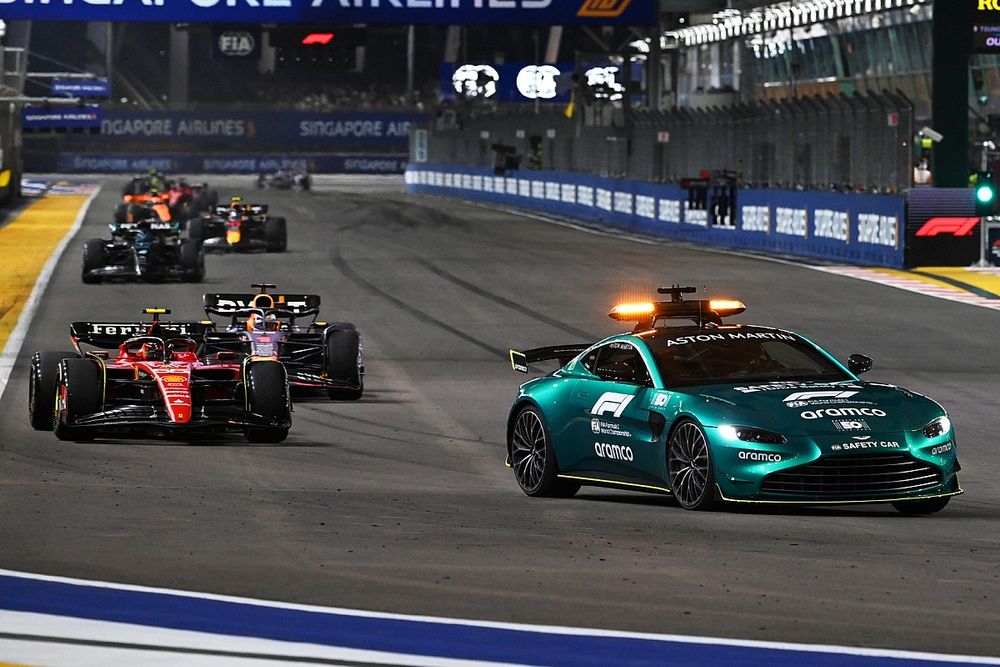
Formula 1 is a high-speed, high-risk sport where precision, strategy, and quick decision-making play crucial roles in a team’s success. One of the most significant factors affecting the outcome of a race is the deployment of the Safety Car. Whether due to accidents, hazardous track conditions, or debris, the Safety Car neutralizes the race, altering team strategies and shaking up the leaderboard. But what exactly is the Safety Car, and how does it impact F1 races?
What is a Safety Car?
A Safety Car is a vehicle used in Formula 1 to control the pace of a race during dangerous situations. When deployed, all drivers must follow behind it in formation, maintaining position and reducing their speed. This allows track marshals to clear hazards safely while preventing further incidents.
The Safety Car was first introduced in 1973 at the Canadian Grand Prix but wasn’t a permanent feature until 1993. Since then, it has become a crucial part of race safety, with manufacturers like Mercedes-AMG and, more recently, Aston Martin supplying the official Safety Cars.
When is the Safety Car Deployed?
The FIA Race Director can deploy the Safety Car under various conditions, including:
- Severe Accidents – When a crash leaves debris or damaged cars on the track, a Safety Car ensures marshals can clear the area safely.
- Poor Weather Conditions – Heavy rain or low visibility may lead to a Safety Car start or deployment.
- On-Track Hazards – Objects like loose car parts or even small animals can lead to a Safety Car period.
- Dangerous Track Surface – Oil spills or excessive water accumulation can make the track unsafe for full-speed racing.
How the Safety Car Affects Strategy
The deployment of the Safety Car can dramatically change race strategies. Here’s how:
- Pit Stop Advantages – Since all cars must slow down, some teams use this opportunity to pit under reduced time loss, effectively gaining track position.
- Closing the Gap – The Safety Car neutralizes any lead a driver may have built, bunching up the field and giving trailing drivers a second chance.
- Tire Warm-up Struggles – With lower speeds, drivers often struggle to keep their tires at the optimal temperature, making restarts crucial.
- Fuel and Energy Management – Hybrid-era cars recover battery energy and save fuel during Safety Car periods, which can influence later stints.
The Virtual Safety Car (VSC)
Introduced in 2015, the Virtual Safety Car (VSC) is an alternative to the traditional Safety Car. Instead of a physical car leading the pack, drivers must adhere to a set speed limit dictated by their car’s electronics. The VSC is used for minor incidents that don’t require track marshals to be physically present on the racing line.
Iconic Safety Car Moments in F1 History
- Brazil 2003 – Multiple crashes in torrential rain led to numerous Safety Car periods, ultimately helping Giancarlo Fisichella secure his first F1 victory.
- Singapore 2008 (“Crashgate”) – A controversial Safety Car deployment after Nelson Piquet Jr.’s deliberate crash manipulated race results, benefiting Fernando Alonso.
- Abu Dhabi 2021 – The most debated Safety Car incident in recent history, where late-race decisions influenced the title battle between Max Verstappen and Lewis Hamilton.
The Future of Safety Cars in F1
With Autonomous Vehicles and AI-powered decision-making on the rise, discussions about an automated Safety Car have surfaced. While the FIA continues to improve track safety, the Safety Car will likely remain a key feature of Formula 1, ensuring that racing remains both thrilling and secure.
Conclusion
The Safety Car is more than just a pace vehicle—it’s a game-changer that can define race outcomes, test driver skills, and add an element of unpredictability to F1. Whether it’s through shaking up strategies, closing gaps, or maintaining safety, its presence is always felt whenever it appears on track.
To learn more about Formula 1, visit our F1 Explained page.
About The Author

Covering Formula 1 news, race analysis, driver stories and the bigger talking points around the sport.
Latest F1 News